
Radio news: build a bulletin that a listener can follow
A listener cannot reread a sentence while a bulletin keeps moving. Make the main fact, its source and its significance clear on the first hearing.
Select before writing
Choose three items that answer different audience needs. A lead story needs a verified development, not simply the loudest quote. Record the source and time of each fact before you rank it. Distinguish what happened from what someone expects to happen. A dated timetable and a confirmed cancellation require different wording. Decide which detail can wait for the web version.
Write for one hearing
Use short sentences, active verbs and a clear order. Put a name before a quote and explain unfamiliar abbreviations. Read numbers aloud: a percentage without its base is often less useful than a plain comparison. Introduce recorded sound so the listener knows who is speaking. Do not use music to hide a difficult edit or suggest an emotion unsupported by the reporting.
Rehearse the handovers
Build a rundown with scripts, sound clips, transitions and a small buffer. Time the actual read rather than relying only on word count. A presenter and sound operator should agree on the cue into each clip and what happens if it fails. Update an urgent item only after checking its source. Keep the earlier wording so a later correction can explain precisely what changed.
Practice pathway
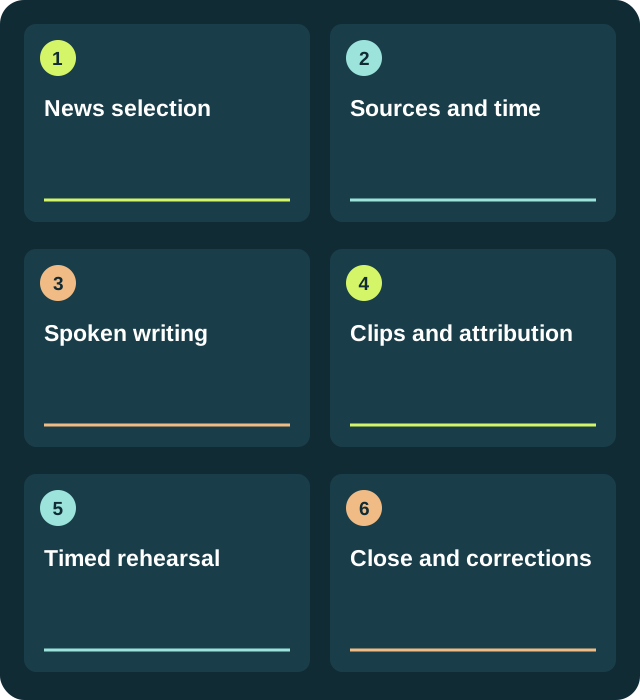
- News selectionRecord the decision and keep a version you can review.
- Sources and timeRecord the decision and keep a version you can review.
- Spoken writingRecord the decision and keep a version you can review.
- Clips and attributionRecord the decision and keep a version you can review.
- Timed rehearsalRecord the decision and keep a version you can review.
- Close and correctionsRecord the decision and keep a version you can review.
A piece with clear limits
Three-minute bulletin: opening 10 s, lead story 60 s, second item 45 s, attributed clip 30 s, context 25 s, close 10 s. Total: 180 seconds. Reading 450 words at 150/min would fill the whole bulletin, leaving no time for clips or pauses.
Try it
Produce a three-minute bulletin with two verified news items, one attributed clip and a closing reminder. Ask a listener to repeat the main facts after one hearing. Rewrite any detail they could not place.
Project deliverable
A reviewed piece, its source sheet and a note explaining what changed.
Download a working template
A pathway, worked example and six checks in an editable file. No account.
Download TXT ↓Review before publishing
Do not present an unconfirmed update as breaking news. Name the source and the time of verification.
Frequently asked questions
Can I enroll through this page?
The 2024–25 catalog informs today’s self-directed guides. No enrollment or accredited qualifications are offered.
What do I need to practise?
Start with this guide’s exercise and template. Use a document for sources and, for audio or video, a device that can record a test you can review. Choose material you have permission to use.
How do I review the result?
Produce a three-minute bulletin with two verified news items, one attributed clip and a closing reminder. Ask a listener to repeat the main facts after one hearing. Rewrite any detail they could not place.
Sources and provenance
- Reuters Journalistic Standards
- W3C WAI: Making Audio and Video Media Accessible
- Historical catalog · 2025
The example and pathway are new editorial work; historical sources document the former topic, not a current offer.