
Podcast and streaming: one research file, two production rhythms
Edited audio and live video can share a research file, but they need different scripts, tests and review steps. Design each version for the way it will be heard.
Build common research
Choose a useful question and collect traceable sources before deciding the format. Plan an opening, three points and a close. Mark statements that need attribution and questions that remain unresolved. This foundation works for both versions. The speed of a live format is not a reason to lower the standard of verification or fill an uncertain gap with a confident guess.
Prepare two productions
For edited audio, record a short test, listen to the room and reserve editing time. For live delivery, assign moderation, fact checking and connection-failure responses. OBS recommends testing sources and sound before streaming. Check music and picture rights, and close private notifications before screen sharing. Give each person a cue and a clear responsibility rather than assuming one presenter will manage everything.
Publish a readable edition
After the live session, check captions and write a timestamped recap. For a podcast, review the transcript so names and quotations remain accurate. Automatic tools provide a first draft; W3C describes accessible alternatives that need planning and review. Compare whether each format answered the question, not only how many plays it received. Keep corrections visible when the edited version changes a factual claim.
Practice pathway
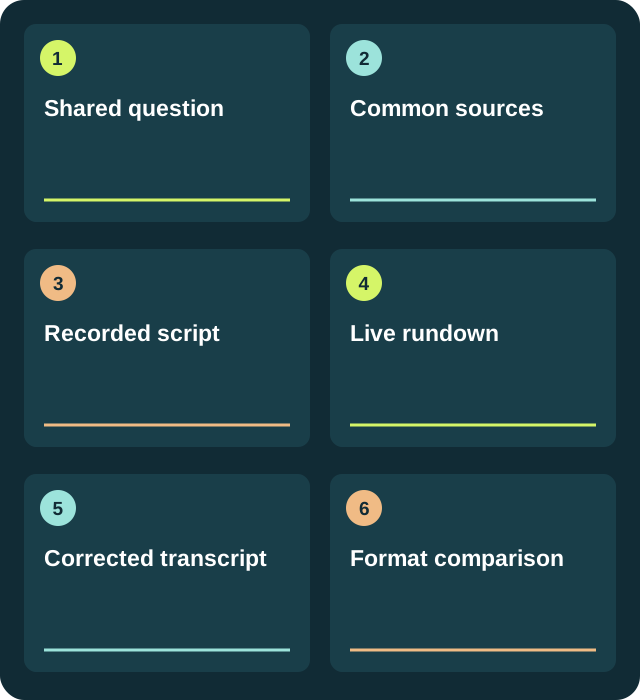
- Shared questionRecord the decision and keep a version you can review.
- Common sourcesRecord the decision and keep a version you can review.
- Recorded scriptRecord the decision and keep a version you can review.
- Live rundownRecord the decision and keep a version you can review.
- Corrected transcriptRecord the decision and keep a version you can review.
- Format comparisonRecord the decision and keep a version you can review.
A piece with clear limits
Shared question: how a bulletin is prepared. Recorded version: five minutes, edit and checked transcript. Live version: eight minutes, questions and reserve scene. Both use the same source sheet and preserve the context of a guest’s contribution.
Try it
Make a five-minute recording and an eight-minute live version of a local question. Compare sound, confusion and necessary corrections using the same source sheet.
Project deliverable
A reviewed piece, its source sheet and a note explaining what changed.
Download a working template
A pathway, worked example and six checks in an editable file. No account.
Download TXT ↓Review before publishing
Do not reuse a spontaneous answer outside its context or publish automatic captions without review.
Frequently asked questions
Can I enroll through this page?
The 2024–25 catalog informs today’s self-directed guides. No enrollment or accredited qualifications are offered.
What do I need to practise?
Start with this guide’s exercise and template. Use a document for sources and, for audio or video, a device that can record a test you can review. Choose material you have permission to use.
How do I review the result?
Make a five-minute recording and an eight-minute live version of a local question. Compare sound, confusion and necessary corrections using the same source sheet.
Sources and provenance
- OBS Studio Quick Start Guide
- W3C WAI: Making Audio and Video Media Accessible
- YouTube Help: automatic captions
The example and pathway are new editorial work; historical sources document the former topic, not a current offer.